
Choosing a contractor for an outdoor project requires more than comparing a few prices online. A fence affects privacy, security, curb appeal, and the overall function of a property, so the company handling the work should be selected with care. Homeowners and business owners alike benefit from taking a measured approach before signing a contract or approving a design. The right choice is not always the cheapest or the fastest. Instead, it is the team that understands the project, communicates clearly, and delivers dependable workmanship from start to finish.
Because fencing projects vary in size, material, and purpose, it helps to evaluate each provider through several practical criteria. A dependable fence company should be able to explain options, answer questions directly, and recommend solutions based on the property’s layout and the client’s goals. When people know what to look for, they are better prepared to hire a professional who aligns with their budget, timeline, and expectations. Taking time at the beginning of the process often prevents frustration later, especially when multiple contractors appear similar at first glance.
Identifying Your Project Goals
Before contacting contractors, it is important to decide what the fence needs to accomplish. Some property owners want more privacy, while others are focused on security, pet containment, boundary definition, or visual appeal. A clear purpose makes it easier to compare recommendations and determine whether a fence company is offering useful guidance or simply pushing a standard package. This early planning stage also helps narrow material choices, because wood, vinyl, aluminum, and chain link all serve different functions.
It is also helpful to think about style preferences, maintenance expectations, and long-term use. A decorative fence may enhance the look of a property, but it may not provide the same level of seclusion or protection as a taller design. If the project involves a pool, children, or pets, safety considerations should carry even more weight. Going into the process with defined priorities allows each conversation to stay focused on what matters most. It also gives contractors a better chance to recommend a design that supports the property without overselling unnecessary upgrades.
Reviewing Experience and Specialization
Once project goals are clear, the next step is to look closely at each company’s background. Not every contractor has the same level of experience with residential, commercial, decorative, or security fencing. A qualified fence company should be able to discuss past projects that resemble the one being planned. Experience often leads to better recommendations, more accurate timelines, and fewer installation problems once work begins.
It is also wise to ask about licensing, insurance, and familiarity with local codes or neighborhood requirements. A company that routinely works in the area is more likely to understand permit needs, setback rules, and height limitations. This matters because even a well-built fence can create problems if it does not meet local standards. Hiring a team with relevant experience reduces avoidable setbacks and helps the project move forward with fewer surprises. It can also provide peace of mind when site conditions, slopes, or property lines make the installation more complicated than expected.
Comparing Materials and Design Guidance
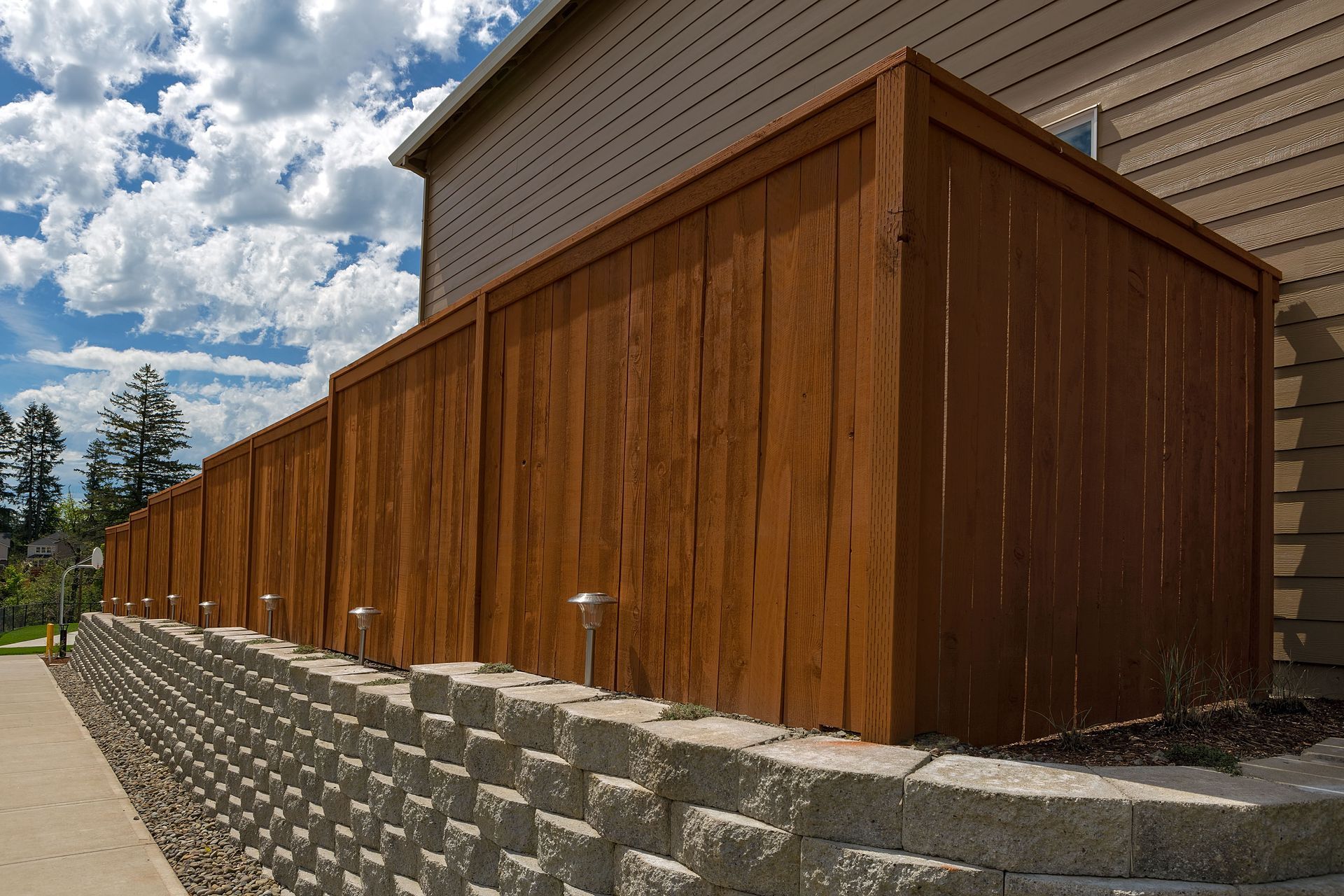
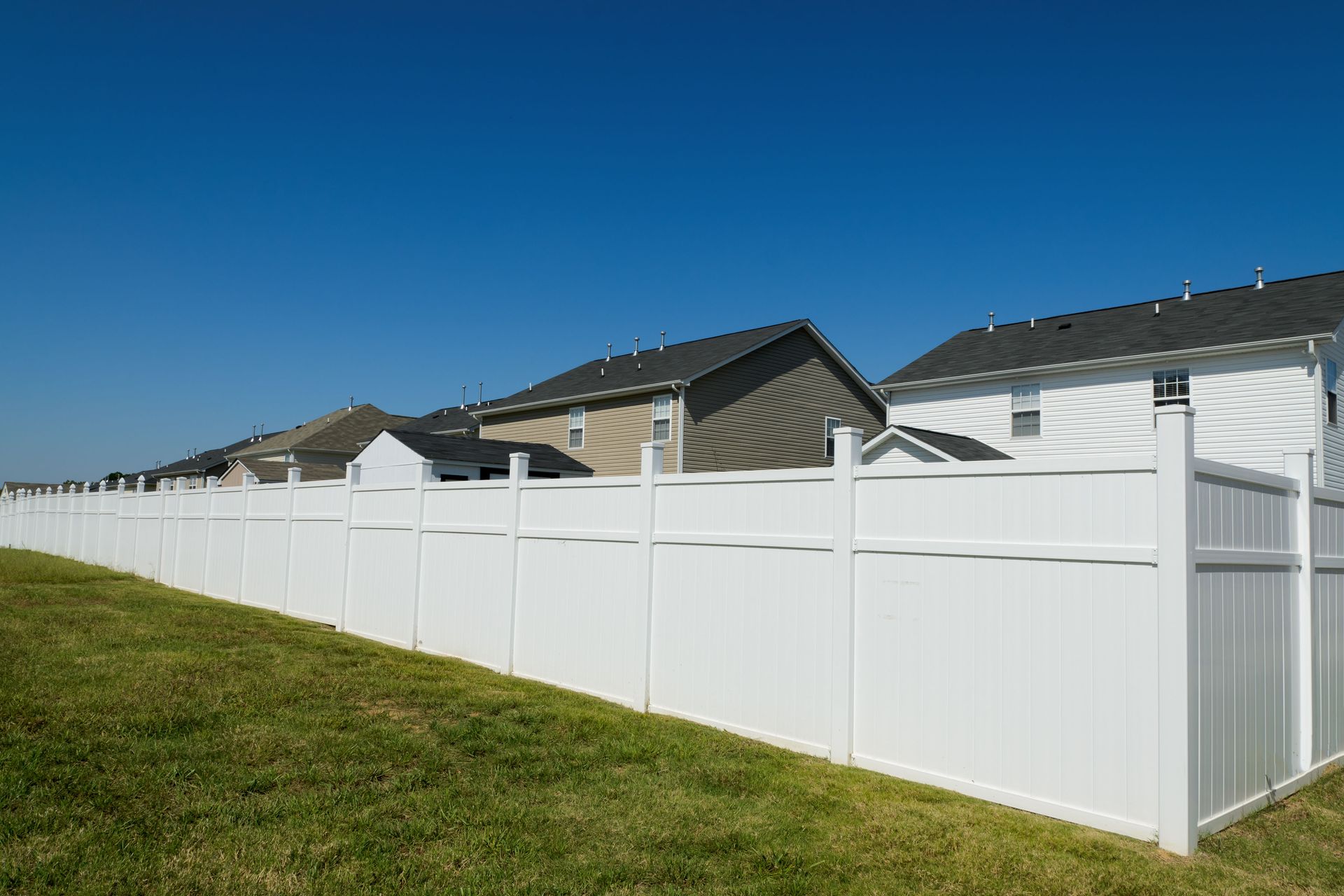
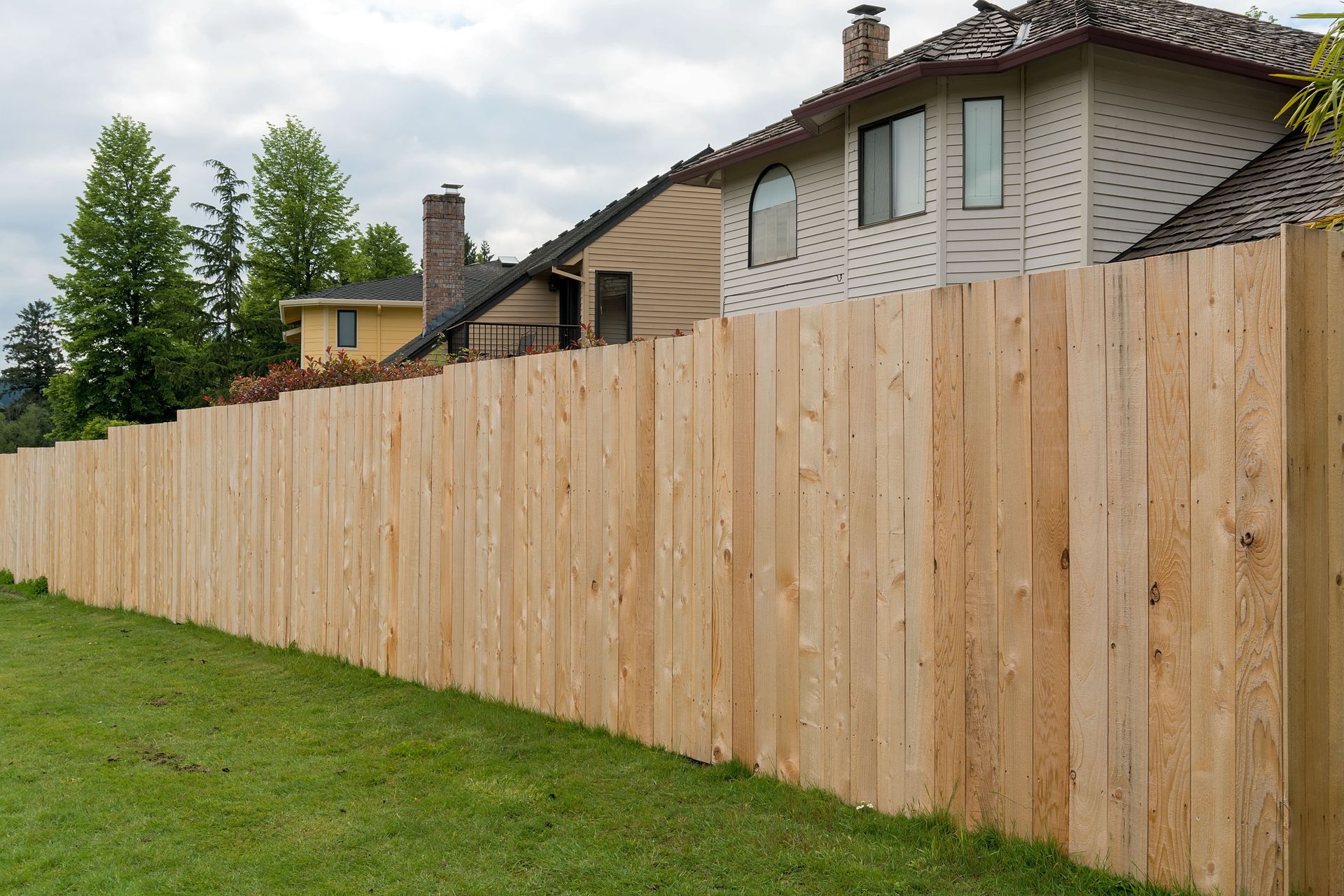
Material selection plays a major role in the success of any fencing project. Different materials offer different benefits in terms of durability, upkeep, appearance, and cost. A knowledgeable fence company should walk clients through those differences rather than assuming one material fits every property. For example, vinyl may appeal to someone who wants low maintenance, while wood may be better suited to a more traditional look. Aluminum can offer elegance with relatively little upkeep, and chain link may be practical for secure boundaries.
Design guidance should also go beyond appearance alone. According to Ackerman Home Security, the most secure fences do not create blind spots and provide no footholds for climbing. That insight highlights why professional recommendations matter. A contractor should be able to explain how height, spacing, visibility, and gate placement affect both function and safety. When a company balances style with practical performance, clients are more likely to end up with a fence that works well for years.
Evaluating Estimates and Project Scope
A written estimate can reveal a great deal about a contractor’s professionalism. Rather than focusing only on the bottom-line price, property owners should review what is actually included in the proposal. A reputable fence company should outline materials, labor, measurements, gate details, removal of old fencing if needed, and an estimated start and completion window. Clear documentation helps prevent misunderstandings and makes it easier to compare one bid against another.
Low pricing can be appealing, but unusually cheap estimates sometimes signal shortcuts in labor or materials. It is important to ask whether posts will be set properly, what hardware will be used, and whether cleanup is included. Clients should also confirm how changes, delays, or unexpected site conditions will be handled. A thorough estimate reflects planning and transparency, which are often strong indicators of how the company will manage the project after the contract is signed. It should also identify payment expectations clearly so there is no confusion about deposits, progress payments, or final billing.
Checking Reputation and Communication
A company’s reputation often says as much as its sales pitch. Reviews, referrals, and testimonials can provide insight into punctuality, craftsmanship, and how problems are handled. While no business is likely to have a perfect record, patterns in customer feedback can be very telling. A dependable fence company should demonstrate consistent communication and a willingness to address concerns before, during, and after installation.
Communication matters because fencing projects involve many details that affect the final result. Clients may need updates about material availability, scheduling, weather delays, or layout adjustments. If a contractor is difficult to reach before the project begins, that issue may continue once work is underway. Strong communication builds confidence and helps clients feel informed throughout the process. It also reduces the risk of costly misunderstandings about style, placement, or timing. In many cases, responsiveness is one of the clearest signs that a company values the client experience as much as the finished product.
Confirming Warranties and Long-Term Support
The final step in choosing the right contractor is understanding what happens after installation is complete. A reliable fence company should explain any workmanship warranty and manufacturer coverage for materials. These details matter because even quality fences can experience issues over time due to weather, ground movement, or wear on gates and hardware. Knowing what is covered can make future service far less stressful.
Long-term support is especially valuable when a fence represents a significant investment. Clients should ask whether the company handles repairs, adjustments, or replacement of damaged sections down the road. It is also worthwhile to ask about maintenance recommendations, especially for materials that may need periodic care. Choosing a contractor with a long-term perspective shows that the relationship is not limited to the installation date. Instead, it reflects an ongoing commitment to helping the property remain secure, attractive, and functional. Taking the time to compare experience, materials, communication, and service can make the entire decision process more manageable. When property owners evaluate each fence company carefully, they put themselves in a stronger position to receive quality work, practical guidance, and results that meet their needs over time. Call Mid Center Fence today to schedule your fence installation or repair service.



Share On: